Alumni Stories
During their research stays in Germany and the Spring School, Digital Green Talent awardees have gained unique experiences that have left a lasting impact on their scientific careers.
In our Alumni Stories, former awardees share their personal journeys. How has collaborating with German research institutions enriched their work? What new perspectives have they gained through international networking? And how are they leveraging connections from the alumni network today?
Be inspired by our alumni's stories and discover how the Digital Green Talents program empowers young scientists to develop innovative solutions for a sustainable future.
Sophia Botsch
Digital GreenTalent Alumna 2024
Why did you apply for the Green Talents Award?
The Green Talents Award is an exciting mix of being able to focus on my research and meeting and learning from smart people from all over the world. My research is about interlinked businesses (platforms) and I believe that it is equally important that we are also interlinked with each other.
In what ways did your research stay with GreenTalents influence your future career path?
The research stay will start in November, but so far I can say, that the Spring School brought up so many new perspectives within sustainability research and it was motivating to meet so many people who also work towards a sustainable future.
What are you currently working on?
I’m currently working on my first publication about existing platforms in the plastics industry that advance the circular economy.

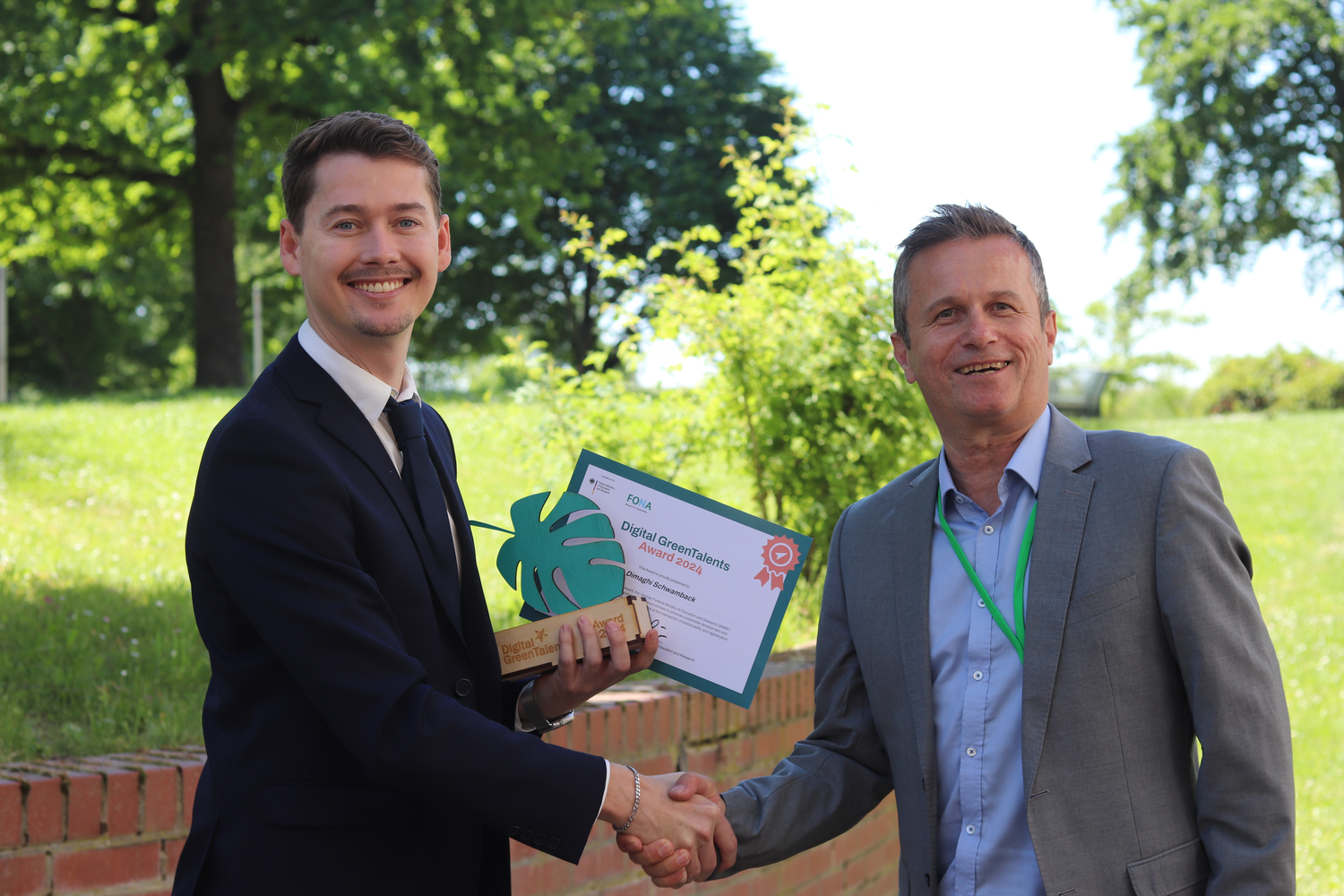
Dimaghi Schwamback
Digital GreenTalent 2024
Why did you apply for the Green Talents Award?
I applied for the Green Talents Award because of the strong inspiration I found in my own department. In 2015 and 2019, two colleagues won the award – both are now professors at prestigious universities, and their research in sustainability is truly outstanding. Watching their journeys showed me how life-changing this award can be, not just as recognition but as a real opportunity to grow and connect internationally. When I was finishing my PhD, I reached out to them for guidance and support, because I knew that Green Talents could open doors to work alongside some of the best researchers in the world.
I also applied because I believe this award is a unique chance to learn, share ideas, and build connections with leading research centers around the globe. For me, it’s not only about improving my own skills, but also about bringing back that knowledge to help strengthen research and education in my country. I want to use this experience to propose ambitious projects that tackle real challenges in sustainability and contribute to positive change. Being part of the Digital Green Talents community is, for me, a way to grow personally and professionally, while giving back to society.
In what ways did your research stay with GreenTalents influence your future career path?
During my research stay at the University of Bonn, which is a major hub for sensor development and agriculture, I truly felt for the first time that I was being received and respected as a full researcher, not just as a PhD student. The exchanges I had with my supervisor and colleagues were extremely constructive, filled with new ideas and perspectives that expanded the scope of my work. This experience also opened doors for future collaborations, as we are now planning to apply for joint funding calls between the EU, Germany, and Brazil. More than just a short research period abroad, it gave me the confidence that my projects are not only relevant but also competitive at the international level.
Another important lesson I took from this stay is that impactful research goes far beyond publications. While papers are valuable for academic progress, they do not directly change the reality of the taxpayers who ultimately support our work. What truly makes a difference is when our research leads to tangible products, technologies, or policies that can improve people’s lives and promote sustainable development. This perspective has strongly influenced my career path, motivating me to design projects that are interdisciplinary, applicable, and oriented toward real-world solutions. It reinforced my commitment to pursue a career where science meets practice, with the goal of creating positive change both locally and globally.
What are you currently working on?
At the moment, I am working as a Professor of Hydrology and Sanitation at the Federal University of Technology – Paraná (Brazil), where I combine teaching with active research. My work focuses on hydrology, sustainable agriculture, low-cost sensor development, and soil conservation — all themes that are deeply connected to building more resilient and sustainable systems. I enjoy mentoring students and collaborating with colleagues from different areas and countries (Germany, United States, Sweden, Canadá, Pakistan and Brazil), as this interdisciplinary approach brings fresh perspectives and makes the research more impactful.
My main ongoing project is the creation of a Brazilian database of soil temperature under climate change scenarios. This is particularly important because soil temperature is a key factor in water balance, crop development, and overall ecosystem functioning, yet it is still poorly monitored in Brazil. By building this database and integrating it with climate projections, I aim to estimate the potential impacts of climate change on agricultural productivity. The goal is not only to advance scientific knowledge but also to generate practical insights that can support farmers, policymakers, and society in adapting to future challenges.
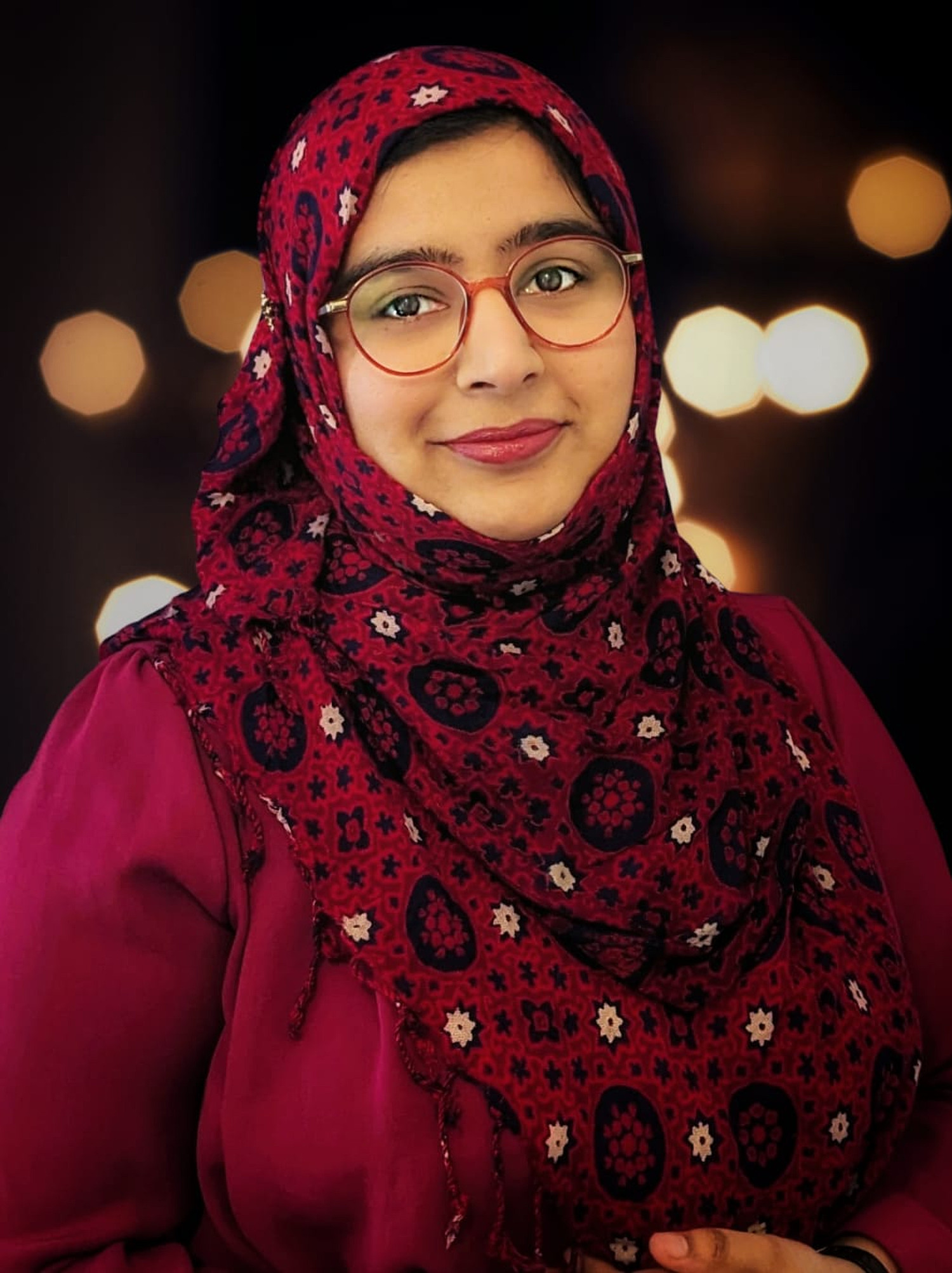
Lala Rukh
Digital GreenTalent Alumna 2024
Why did you apply for the Green Talents Award?
As a woman engineer from Pakistan, I have often had to work twice as hard to prove myself at every stage. For me, this recognition extends beyond my project; it is also about visibility, representation, and demonstrating that women from the Global South can lead global sustainability research and conversations. I saw the Green Talents program as a unique gateway: it provides direct access to world-class German research organisations and companies; bypassing barriers such as visas and administrative hurdles that are often insurmountable for international researchers like me. I applied with the belief that this program would place me exactly where I was meant to be, and it truly did! The opportunities, connections, and exposure I gained could not have been better aligned with my journey.
In what ways did your research stay with GreenTalents influence your future career path?
Having been taught and learning within academia for years, I have come to realise that in today’s age of TikTok and 30-second attention spans, even if one chooses to remain in academia, one must also learn to excel in science communication. Without this skill, it is almost impossible to reach today’s learners, much less influence society or policy. My Green Talents research stay helped me recognise that science communication is not a side activity; it is a core responsibility of researchers. My mentor at Cirplus says: “One must admit that the scientific community does not have a realisation problem (“Erkenntnisproblem”) but rather an explanation problem (“Erklärungsproblem”). Together with him, we worked on a science communication project, which will be released very soon, and it was a wonderful learning experience. This experience has shaped my career path toward roles where I combine research excellence with the ability to communicate across boundaries and influence change.
What are you currently working on?
For our science communication project, we have received a project grant worth 57.025€ from the Deutsche Bundesstiftung Umwelt (DBU), the German Federal Environmental Foundation. For DBU, I am also working on the written handbook output of the project. This practical guide documents lessons learned and compiles good practices for producing sustainability-focused podcasts. In parallel, I am writing my PhD thesis at the University of Galway, Ireland, where my research focuses on energy in buildings. Together, these efforts reflect my broader mission: to combine research with accessible communication formats, ensuring that knowledge is not confined to journals but instead informs industry, public understanding, and policy.